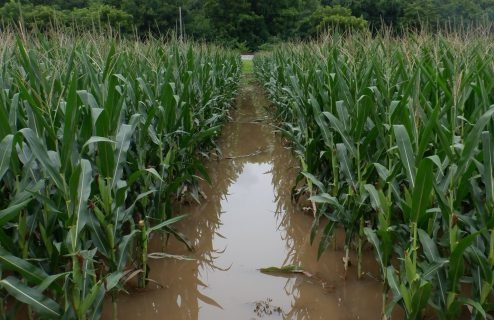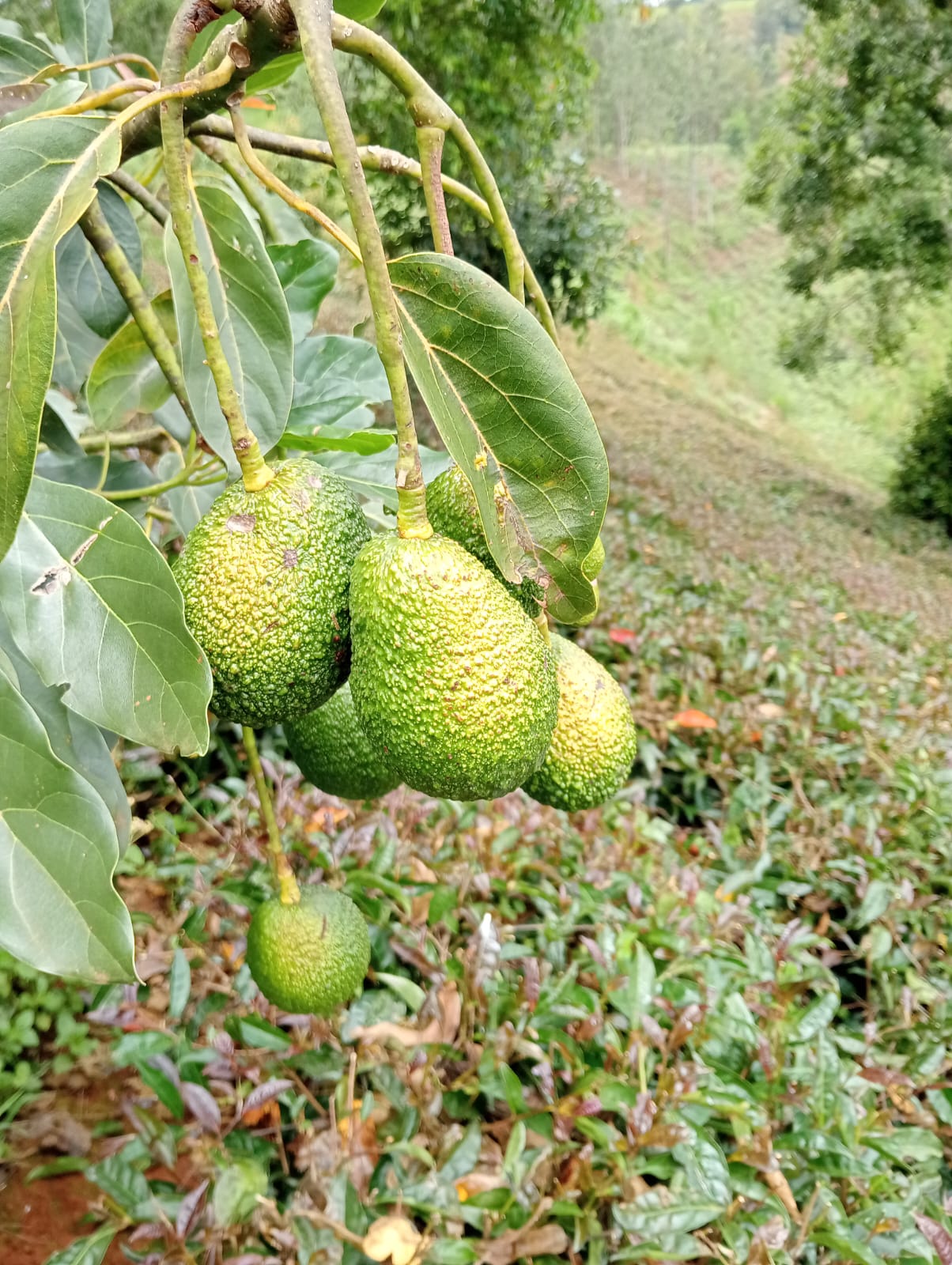



As the global population continues to rise, agricultural sustainability becomes increasingly crucial to meet the growing demand for food. Two primary methods for enhancing soil fertility—synthetic fertilizers and manure—play significant roles in modern farming. Each method offers distinct advantages and disadvantages concerning sustainability, environmental impact, and agricultural efficiency.
Synthetic Fertilizers

Synthetic fertilizers offer several merits. They can be formulated to provide specific nutrients tailored to crops’ needs, ensuring precise and efficient nutrient delivery. These fertilizers typically contain a higher concentration of nutrients compared to organic alternatives, reducing the quantity needed for effective soil enrichment. The nutrients from synthetic fertilizers are readily available to plants, promoting rapid growth and higher yields in a shorter period. Additionally, synthetic fertilizers are straightforward to apply using modern agricultural machinery, facilitating large-scale farming operations.
However, synthetic fertilizers come with notable drawbacks. Their overuse and runoff can lead to water pollution, causing eutrophication in aquatic ecosystems and harming wildlife. Prolonged use of synthetic fertilizers can degrade soil health by depleting organic matter and disrupting the soil microbiome. Moreover, the production of synthetic fertilizers is energy-intensive, often relying on fossil fuels, contributing to greenhouse gas emissions. Over-reliance on synthetic fertilizers can also lead to reduced biodiversity and increased vulnerability to pests and diseases.
Manure

Manure provides several benefits for soil health. It adds organic matter to the soil, improving its structure, water retention, and microbial activity. Manure also recycles nutrients within the agricultural system, reducing waste and the need for synthetic inputs. Over the long term, manure can enhance soil fertility by gradually releasing nutrients and boosting soil organic matter. Properly managed manure reduces the risk of nutrient runoff and pollution compared to synthetic fertilizers.
Nevertheless, manure has its own set of challenges. The nutrient content of manure can be highly variable, making precise nutrient management for crops difficult. If not properly treated or sourced, manure can contain pathogens, heavy metals, and other contaminants. Applying manure is often more labor-intensive and less efficient than using synthetic fertilizers, especially for large-scale farming. Additionally, manure can produce unpleasant odors and requires substantial storage and transportation logistics, which can be both challenging and costly.
Sustainability Considerations
When it comes to environmental impact, synthetic fertilizers can cause significant issues if not managed properly. Runoff into waterways leads to nutrient pollution, resulting in algal blooms and dead zones. In contrast, properly managed manure can enhance soil health and mitigate pollution, though improper handling can still cause nutrient runoff and greenhouse gas emissions.
In terms of soil health, long-term use of synthetic fertilizers can degrade soil quality, reducing its ability to retain water and support beneficial microorganisms. Manure, on the other hand, improves soil structure and promotes a healthy soil ecosystem, contributing to sustainable farming practices.
Resource use is another critical factor. The production of synthetic fertilizers is resource-intensive, requiring substantial energy and raw materials. Manure recycles nutrients within the farm system, reducing the need for external inputs and conserving natural resources.
Economically, synthetic fertilizers provide immediate nutrient availability, leading to quick financial returns for farmers. Manure, while potentially more cost-effective in the long term by improving soil health and reducing dependency on purchased inputs, may require more initial labor and investment.
Both synthetic fertilizers and manure have essential roles in sustainable agriculture, with their effectiveness depending on proper management and context. Synthetic fertilizers offer precision and immediate results but pose significant environmental risks. Manure promotes long-term soil health and sustainability but necessitates careful handling and management. An integrated approach that combines both methods, alongside other sustainable practices, can optimize productivity while minimizing environmental impact and enhancing soil health.