The practice of intercropping—growing two or more crops in close proximity—has garnered attention as a sustainable agricultural method capable of addressing the myriad challenges that modern farming faces. Among the various crop combinations, the pairing of peas and potatoes stands out as particularly advantageous. This article explores the concept of intercropping, highlights the benefits of growing peas alongside potatoes, and illustrates how this practice can enhance agricultural productivity and sustainability.
Benefits of Intercropping Peas and Potatoes
1.Optimizing Space and Resource Use
One of the most significant advantages of intercropping is the efficient utilization of land and resources. Peas are climbing plants that grow upwards, while potatoes are tubers that develop underground. This vertical and horizontal growth strategy allows both crops to coexist without significantly competing for space or resources.In regions where arable land is limited, this efficient use of space is crucial. Farmers can cultivate more crops in the same area, thereby maximizing their food production potential and contributing to food security. By intercropping peas and potatoes, farmers can achieve higher yields per hectare, leading to improved productivity.
2.Improved Soil Health and Fertility
Intercropping peas with potatoes enhances soil health significantly. Peas are known for their nitrogen-fixing capabilities, allowing them to convert atmospheric nitrogen into a form accessible to plants. This process enriches the soil, reducing the need for synthetic fertilizers and promoting long-term soil fertility.Farmers who practice intercropping often report healthier soil and improved crop performance over time. The reduced reliance on chemical fertilizers has positive implications for environmental health, as it minimizes the risk of nutrient runoff into waterways. Additionally, the organic matter contributed by pea residues enhances soil structure and moisture retention.
3.Natural Pest Management
Intercropping serves as an effective natural pest control strategy. The diversity of crops in a field can confuse pests and disrupt their life cycles. For example, certain pests that typically target potatoes may be deterred by the presence of peas, while beneficial insects attracted to the flowering pea plants can help control harmful pests. Farmers who practice intercropping often observe fewer pest problems, leading to healthier crops and reduced reliance on chemical pesticides. This natural approach to pest management not only benefits individual farmers but also contributes to the overall health of the ecosystem. By fostering a more balanced environment, intercropping can lead to the establishment of beneficial predator populations that keep pest numbers in check.
4.Enhanced Crop Resilience
Intercropping provides enhanced resilience against environmental stresses such as drought, heavy rains, and extreme temperatures. Different crops have varying root structures and depths, allowing them to access water and nutrients from different soil layers. This diversity can buffer against crop failure in adverse weather conditions.Farmers growing peas and potatoes together often experience more stable yields, even in challenging climatic conditions. If one crop struggles due to drought or disease, the other may still thrive, ensuring that farmers have a viable harvest. This resilience is particularly important in the face of climate change, where weather patterns are increasingly unpredictable.
5.Increased Biodiversity
Biodiversity is crucial for maintaining healthy ecosystems, and intercropping inherently promotes it. By diversifying their crops, farmers can create a more balanced environment that supports various organisms, from beneficial insects to soil microorganisms. This increased biodiversity can lead to improved pollination, pest control, and overall ecosystem health.Moreover, diverse cropping systems can reduce the risk of crop failure due to disease outbreaks, as pests and diseases are less likely to spread rapidly through a varied field. This resilience is particularly important in the face of climate change and shifting agricultural challenges. Farmers who embrace intercropping can contribute to the conservation of biodiversity, which is essential for the sustainability of agricultural landscapes.
6.Higher Economic Returns
Intercropping can lead to increased economic viability for farmers. By growing two crops simultaneously, farmers can diversify their produce and enhance their overall yield per hectare. This can be especially lucrative in local markets where both peas and potatoes are in demand.Many farmers who adopt intercropping practices report higher incomes due to increased yields and reduced input costs. The ability to sell multiple crops allows farmers to reach a broader customer base, providing a buffer against market fluctuations for individual crops. This diversification not only enhances financial stability but also reduces the economic risks associated with relying on a single crop.
7.Sustainable Agricultural Practices
Intercropping aligns with the principles of sustainable agriculture by promoting ecological balance and reducing the need for chemical inputs. By enhancing soil health, increasing biodiversity, and improving pest management, farmers can create a more sustainable farming system.This approach benefits individual farmers and contributes to the health of the environment and the long-term viability of agricultural practices. In an era where sustainable food production is paramount, intercropping serves as a practical solution that addresses the pressing challenges of modern agriculture.
To successfully implement intercropping, farmers should consider the following best practices:
1.Crop Selection and Compatibility
Choosing compatible crops is essential for successful intercropping. In the case of peas and potatoes, their complementary growth habits and nutrient needs make them an excellent pair. Farmers should also consider local climate conditions and soil types when selecting crops for intercropping. Additionally, understanding the growth cycles of both crops can help farmers plan their planting and harvesting schedules effectively. This planning ensures that both crops receive adequate sunlight, water, and nutrients throughout their growth periods.
2.Proper Spacing and Planting Techniques
Effective planting techniques are crucial for maximizing the benefits of intercropping. Farmers should pay attention to the spacing of plants to minimize competition for resources. For instance, planting peas in rows alongside potatoes can optimize both vertical and horizontal space.Farmers can experiment with different planting configurations to find the arrangement that works best for their specific conditions. This experimentation may involve adjusting row widths, plant densities, and planting depths to achieve op timal growth and yield.
3.Soil Management
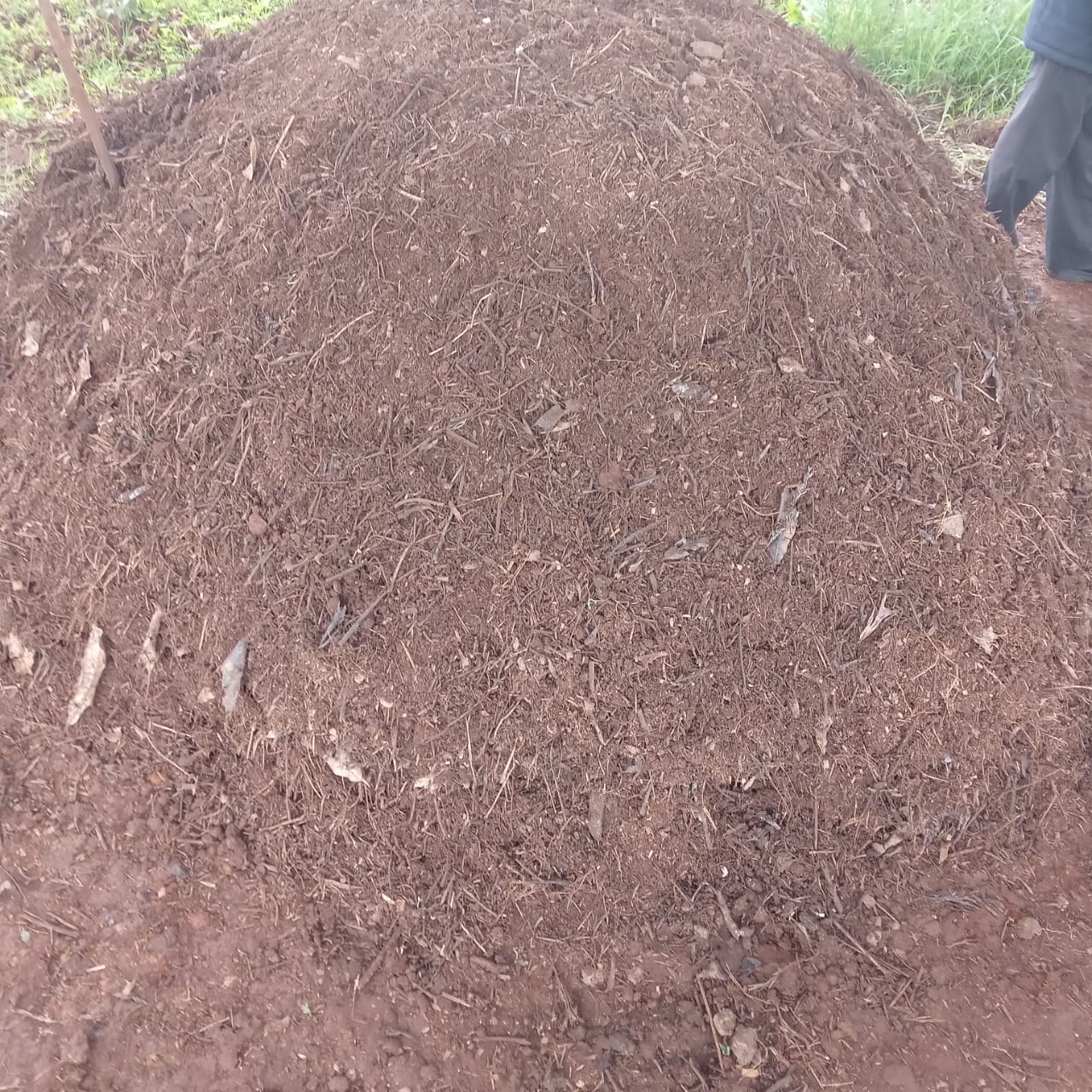
Maintaining soil health is vital for successful intercropping. Farmers should consider practices such as crop rotation, cover cropping, and organic amendments to enhance soil fertility and structure. Regular soil testing can help farmers understand their soil’s nutrient needs and make informed decisions about fertilizer applications. Incorporating organic matter, such as compost or well-rotted manure, can improve soil structure, moisture retention, and nutrient availability. This practice enhances the overall health of the soil ecosystem, benefiting both intercropped crops.
4.Economic Implications of Intercropping
The economic implications of intercropping peas and potatoes extend beyond individual farmers to entire communities and regions. As more farmers adopt intercropping practices, they contribute to local food security and economic resilience. The increased yields and diversity of produce can lead to more stable markets, reducing the vulnerability of farmers to price fluctuations. Additionally, intercropping can enhance the sustainability of agricultural systems, which is increasingly important in a world facing the challenges of climate change, population growth, and resource scarcity. By promoting practices that enhance soil health and biodiversity, intercropping can contribute to the long-term viability of agriculture and improve the livelihoods of farming communities.
Challenges and Considerations
While intercropping offers numerous benefits, it is not without its challenges. Farmers must carefully manage the timing of planting and harvesting to ensure that both crops can thrive. Variations in growth rates and nutrient needs may require adjustments in management practices. Farmers may encounter issues related to weed competition, pest pressures, and disease management. Effective weed control strategies are essential to prevent one crop from overshadowing the other, while integrated pest management approaches can help mitigate pest-related challenges. Additionally, farmers should be prepared for the learning curve associated with intercropping. It may take time to fully understand the dynamics between crops and how to optimize their growth together.
However, the long-term benefits of intercropping far outweigh the initial challenges, making it a worthwhile investment in sustainable agriculture.