



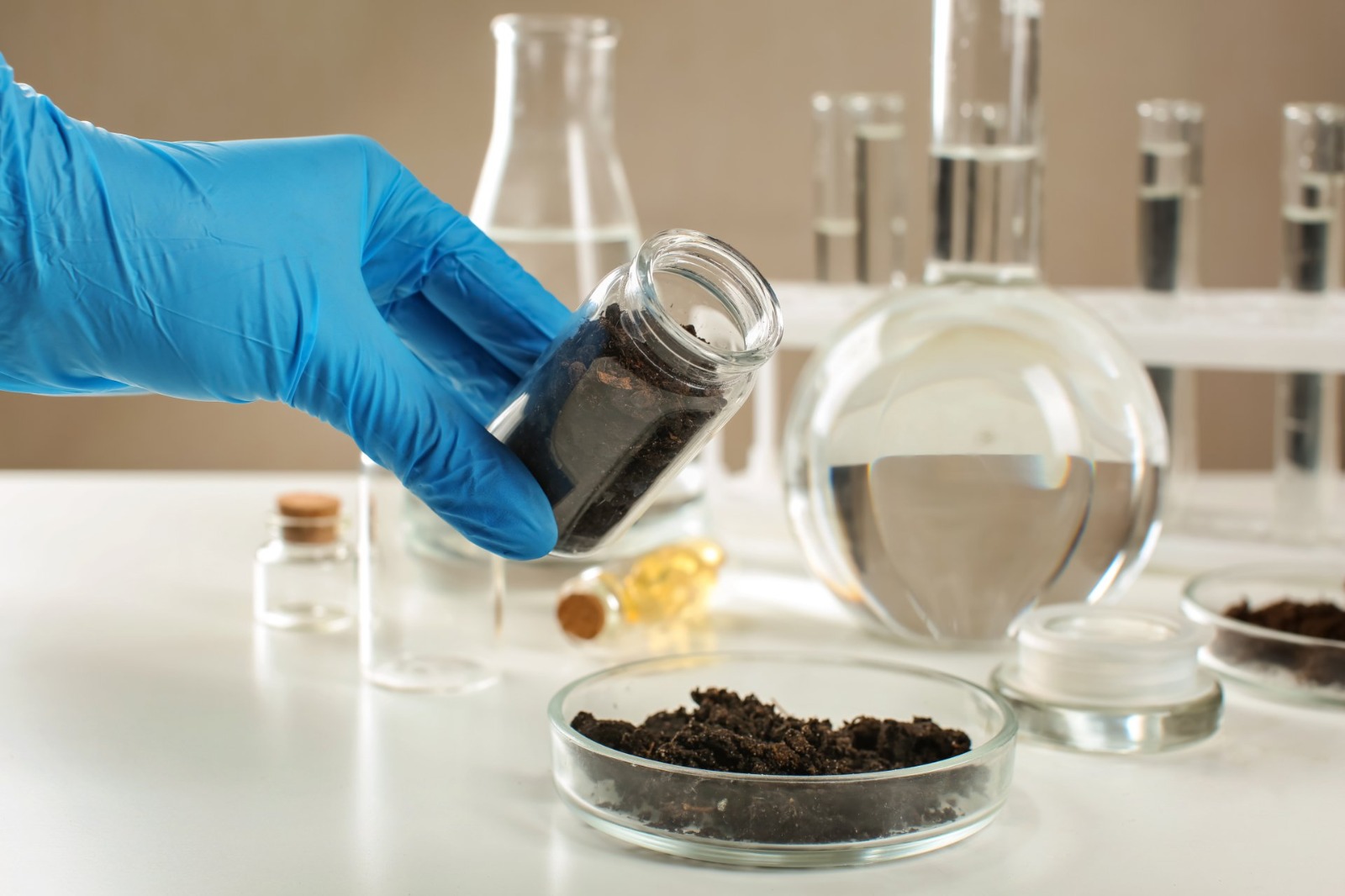
When it comes to understanding the health and fertility of soil, two primary methods stand out: microbial soil analysis and chemical soil analysis. While chemical soil analysis provides quantitative data on nutrient levels, pH, and other chemical properties, microbial soil analysis delves into the diverse ecosystem of microorganisms that play a crucial role in soil health.
Microbial soil analysis offers insights into the biological processes occurring in the soil, such as nutrient cycling, organic matter decomposition, and disease suppression. It can also indicate the soil’s resilience to environmental stressors. On the other hand, chemical soil analysis provides specific nutrient measurements, aiding in precise fertilizer and amendment recommendations.
So, which method is more effective? The answer lies in a comprehensive approach that integrates both analyses. While chemical analysis informs immediate interventions, microbial analysis offers a deeper understanding of soil resilience and long-term sustainability. By combining both approaches, farmers and land managers can make informed decisions that promote soil health and productivity.