


With this year’s theme for celebrating World’s Youth day being ” Clicks to Progress” .Let’s answer the question below.
Has the Digital Space Helped Transform Agriculture?
The digital space has undeniably transformed agriculture, revolutionizing the way we produce, manage, and distribute food. From precision farming to digital marketplaces, technology has become an essential tool for modern farmers, enabling more efficient, sustainable, and profitable agricultural practices.
Precision Agriculture: Enhancing Efficiency
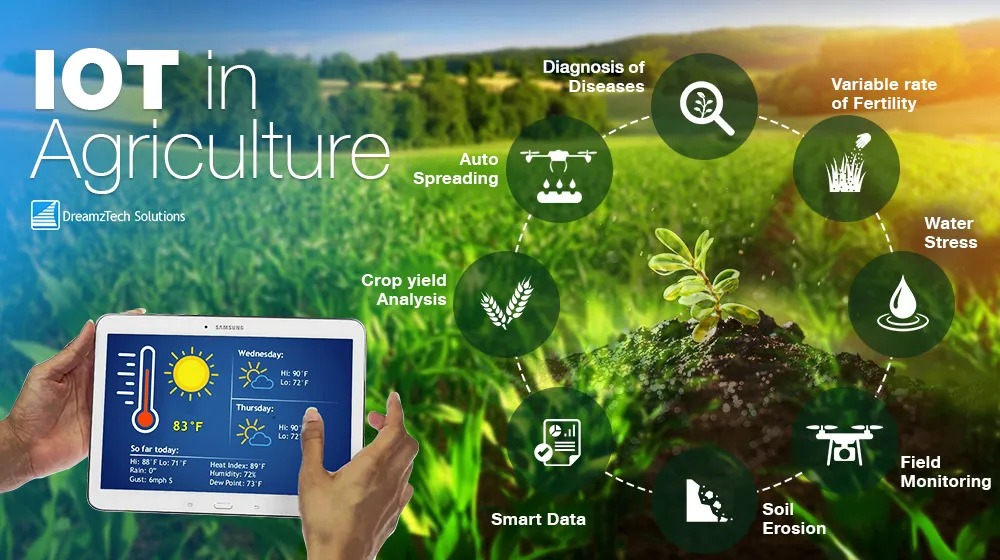
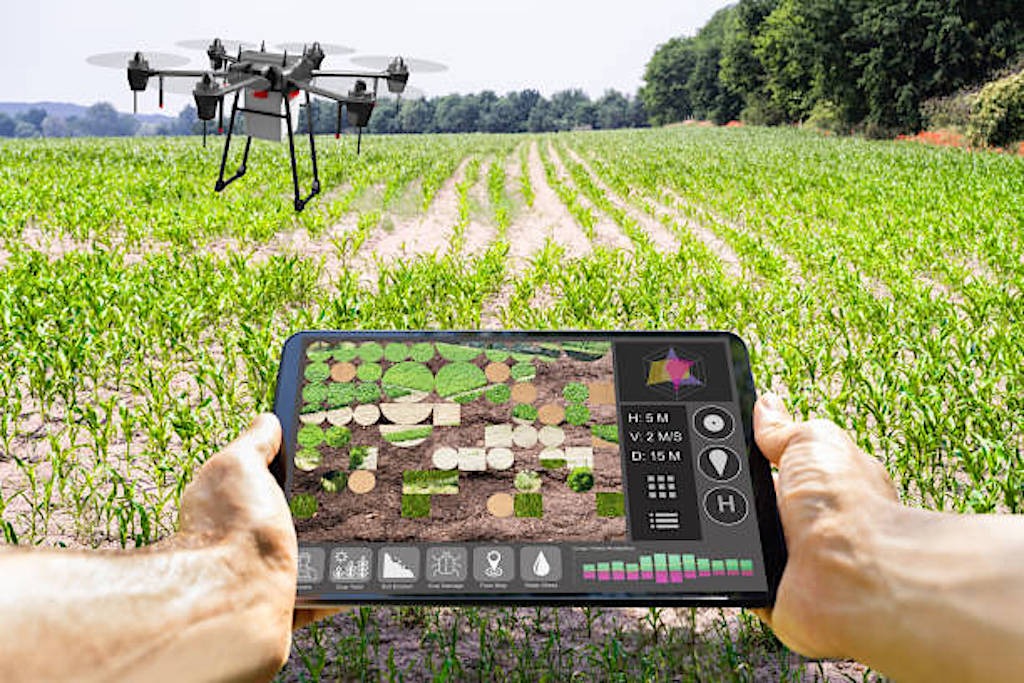
One of the most significant impacts of the digital space on agriculture is the advent of precision farming. This approach uses GPS, satellite imagery, and IoT devices to monitor and manage crops with incredible accuracy. Farmers can now analyze soil health, monitor crop growth, and optimize irrigation and fertilization, all in real-time. This level of precision reduces waste, lowers costs, and increases yields, leading to more sustainable farming practices.
Data-Driven Decision Making
Access to data is another transformative aspect of the digital space. Farmers can now leverage big data and analytics to make informed decisions about crop selection, planting times, and resource allocation. Platforms that aggregate weather data, market trends, and historical yields allow farmers to predict outcomes and plan more effectively. This data-driven approach minimizes risks and helps maximize profitability.
Digital Marketplaces and Supply Chain Efficiency
The digital space has also redefined the agricultural supply chain. Online marketplaces connect farmers directly with buyers, eliminating middlemen and ensuring better prices for producers. These platforms also offer transparency, allowing farmers to track demand trends and adjust their production accordingly. Additionally, digital logistics solutions streamline the distribution process, reducing food waste and ensuring fresh produce reaches consumers faster.
Access to Knowledge and Resources
The internet has democratized access to agricultural knowledge and resources. Farmers, regardless of location, can now access expert advice, research, and best practices through online platforms, mobile apps, and social media. E-learning platforms offer training on modern farming techniques, pest management, and sustainable practices, empowering farmers to adopt innovative methods and improve their productivity.
Financial Inclusion and Access to Credit
Digital finance has opened up new opportunities for farmers, especially those in remote areas. Mobile banking, digital wallets, and fintech solutions provide farmers with access to credit, insurance, and payment systems that were previously unavailable. These financial tools help farmers invest in better inputs, expand their operations, and manage risks more effectively.
Challenges and Future Potential
While the digital space has brought tremendous benefits to agriculture, challenges remain. Issues such as digital literacy, infrastructure gaps, and data privacy concerns need to be addressed to ensure that all farmers can benefit from these technologies. Moreover, the rapid pace of technological advancement requires continuous adaptation and learning.
Looking ahead, the potential for digital transformation in agriculture is immense. Emerging technologies like AI, blockchain, and drones hold promise for even greater efficiency and sustainability. As these technologies become more accessible, the digital space will continue to play a crucial role in shaping the future of agriculture.
The digital space has indeed helped transform agriculture, driving efficiency, sustainability, and profitability across the sector. By leveraging digital tools and platforms, farmers are better equipped to meet the challenges of modern agriculture and contribute to global food security. The ongoing integration of technology in farming practices will undoubtedly continue to push the boundaries of what is possible in agriculture.