In the world of organic farming, intercropping is a time-tested technique that maximizes productivity and sustainability. One such dynamic duo that shines in intercropping is maize and beans. This harmonious partnership not only offers a multitude of benefits but also contributes to a healthier and more sustainable farming ecosystem.
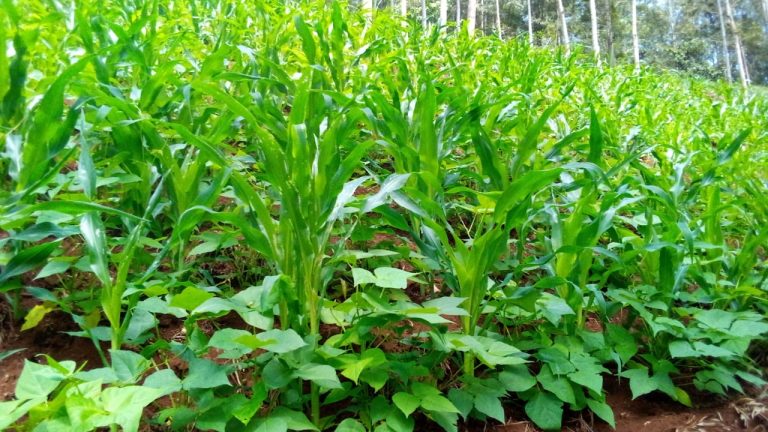
Intercropping maize and beans is like a beautifully choreographed dance. The tall and sturdy maize stalks provide a natural trellis for the climbing bean plants, creating a symbiotic relationship that maximizes land utilization. This efficient use of space allows farmers to cultivate more crops in smaller areas, increasing yields and optimizing resources.
One of the standout benefits of intercropping maize and beans is their complementary nutrient needs. Maize is a heavy feeder of nitrogen, while beans are nitrogen-fixing legumes. When planted together, beans enrich the soil with nitrogen, which benefits the maize plants. In return, the maize stalks provide shade and support for the bean plants. This natural collaboration reduces the need for synthetic fertilizers and promotes a healthier soil ecosystem.
Intercropping maize and beans also boosts pest and disease management. The differing growth habits and chemical composition of the two crops confuse pests, preventing the buildup of specific pests or diseases. This reduces the reliance on chemical pesticides, promoting a more environmentally friendly farming approach.
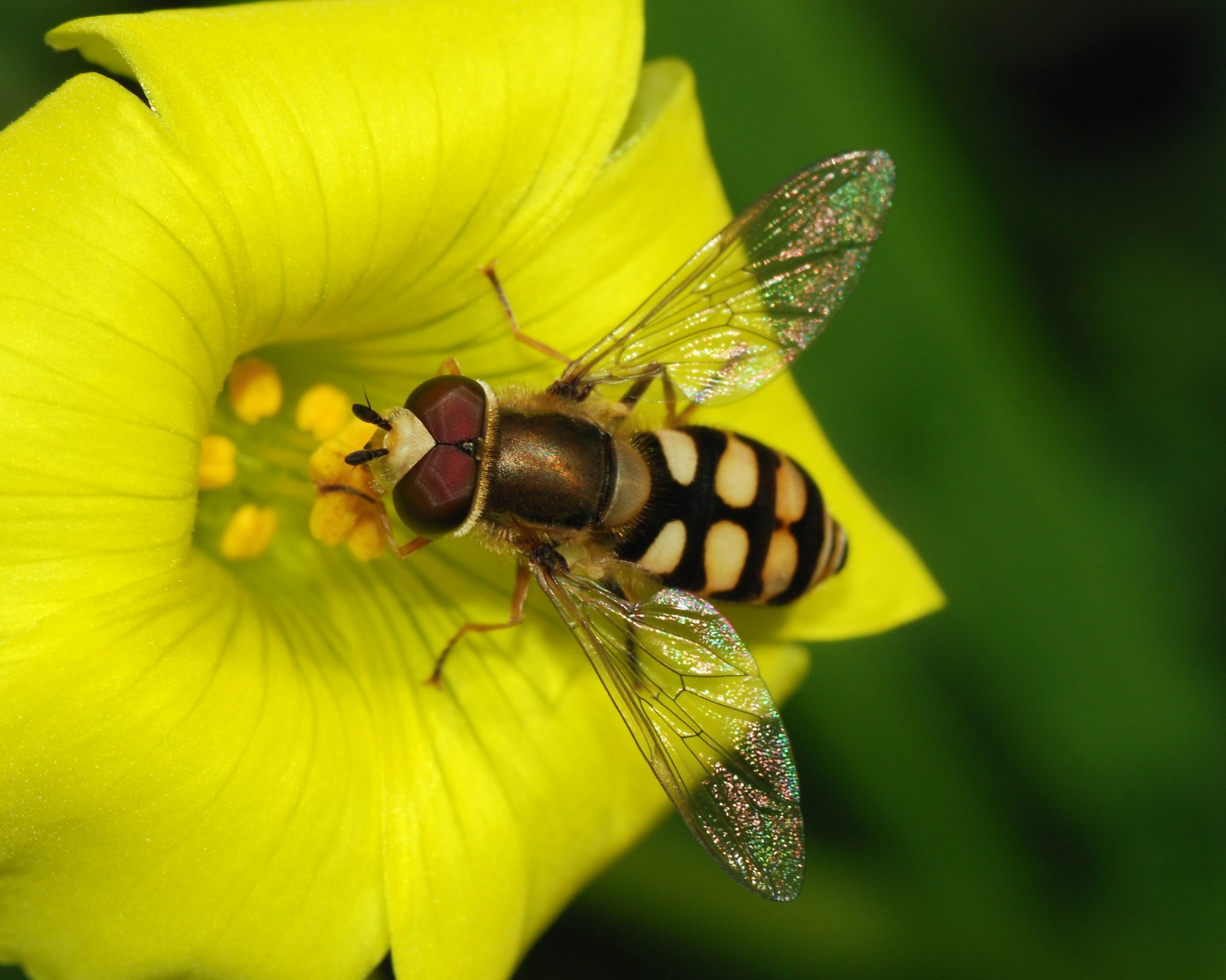
Furthermore, intercropping maize and beans enhances biodiversity by creating a diverse habitat for beneficial insects and organisms. The presence of diverse plant species attracts a wide range of insects that help with pollination and pest control, maintaining a balanced ecosystem within the farm.